// DATA · LARVAL SURVIVAL RATE
In the wild, only 1 in 20,000 eggs reaches adulthood.
With Free Hatchery systems, we aim to raise the survival rate of juvenile lobsters and support marine ecosystems. A single system has the capacity to rear 100,000 juvenile lobsters.
SURVIVAL RATE — BY ENVIRONMENT
Natural habitat (wild)~0.0005%
Conventional closed system~1%
Controlled rearing~38–48%
Sea-based system~25–93%
// REFERENCES
- Daniels et al. (2015). Development of sea based container culture for rearing European lobster (Homarus gammarus) around South West England. Aquaculture, 448, 186–195.
- Filippi et al. (2024). Effect of light intensity on the survival of European spiny lobster (Palinurus elephas) larvae reared in aquaculture system. Aquaculture Reports, 36, 102083.
- Yeap et al. (2022). Barriers in European spiny lobster (Palinurus elephas) aquaculture: What we know so far? Reviews in Aquaculture.






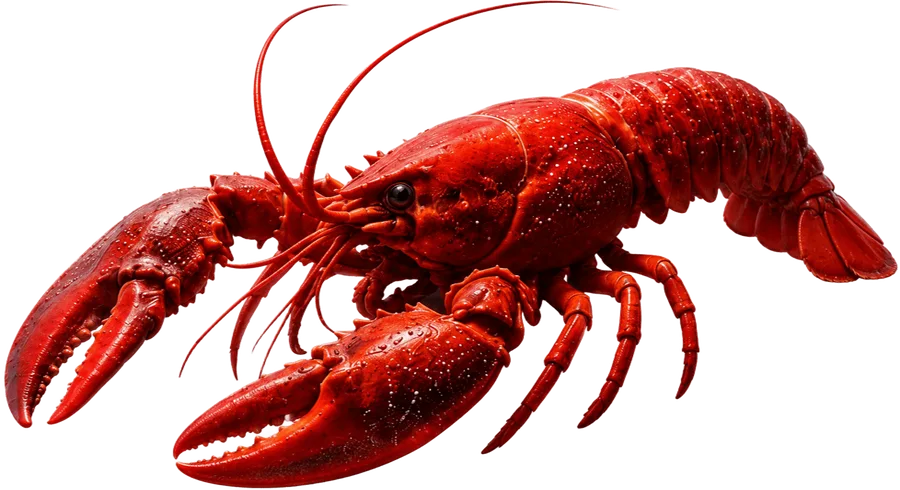
RIVA · LOBSTER
41°14′N 29°14′E
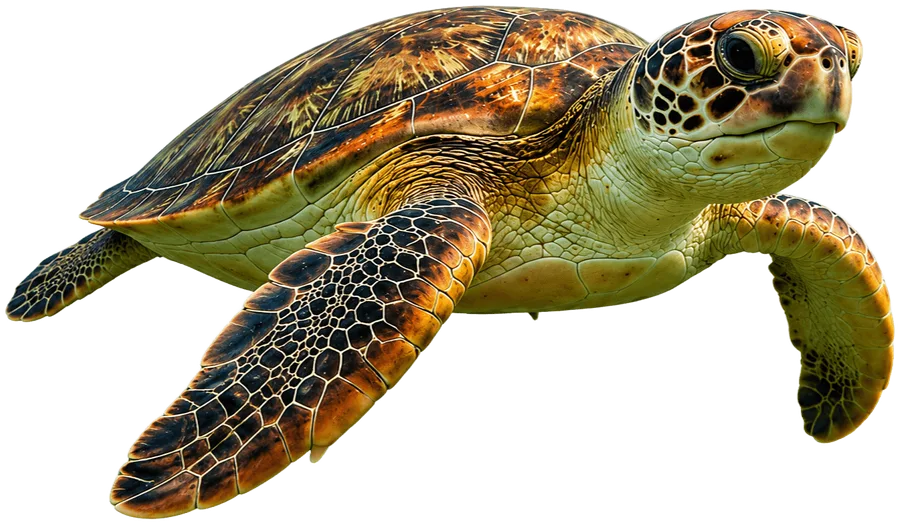
EKİNCİK BAY · SEA TURTLE
36°47′N 28°35′E
Tesislerimiz
Rıva Tesisi
Istakoz
41°14'N 29°14'E
Ekincik Koyu Tesisi
Deniz Kaplumbağası
36°47'N 28°35'E
01 / MISSION
Our Free Hatchery Approach
We work to protect marine ecosystems, support the sustainability of aquatic species, and turn scientific research into solutions that work in the field. From lobster rearing and release projects to sea turtle conservation, we aim to contribute to the future of marine life.
02 / SPECIES
// BLOG · COMMUNITY
Field notes, research and community writing
Field diaries, species stories and articles on Free Hatchery from our researchers and community are on the blog.
03 / PARTNERS
Tarım ve Orman BakanlığıEurofishCMASEge Ü.Akdeniz Ü.Çanakkale Onsekiz Mart Ü.Harran Ü.Süleyman Demirel Ü.